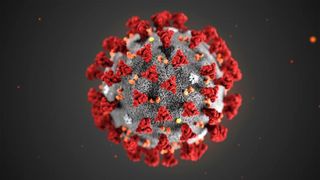
COVID-19
2019-Novel coronavirus outbreak has spread to
every region in mainland China and to at least 15 other countries. It is the
latest in a line of outbreaks of emerging diseases gripping the headlines,
including Ebola, Zika virus, bird flu, SARS, and antimicrobial-resistant
strains of bacteria. The response to the coronavirus outbreak has been rapid,
with the Chinese Center for Disease Control and Prevention working to establish quarantine and prevent further the spread of the virus, whilst the WHO and
Coalition for Epidemic Preparedness Innovations has coordinated the response
from the scientific community. These efforts should be commended. However, as
with all emerging diseases, the response has been hindered by a lack of
effective tools. When faced with an outbreak of an emerging disease, treatments
specifically tailored to the new strain are often not yet available. However,
the need for an immediate response means there is little time to develop new
therapeutic agents. This need to act quickly with limited resources to contain,
treat, and eventually cure the outbreak poses a unique problem for public
health responders.
What is coronavirus? Coronaviruses are a large
family of viruses that cause respiratory infections in humans, mammals, and birds.
Most family members cause only mild symptoms in healthy patients and, as they are caused by about 15% of cases of the common cold, likely, you have
successfully fought off a coronavirus infection without even noticing. However,
the family also includes the highly pathogenic viruses responsible for severe
acute respiratory syndrome (SARS), Middle East respiratory syndrome (MERS), and
more recently the outbreak in Wuhan of novel coronavirus 2019-nCoV. These
diseases are particularly virulent, with death rates between 2 and 5%. Emerging
highly pathogenic coronaviruses were listed by the WHO as a likely cause of
future pandemics and the need for urgent R&D was identified as early as
2016.

Combating misinformation amid spread of
coronavirus
As the outbreak of coronavirus accelerates, the spread of “fake news” about it also multiplied in several countries. A number
of bogus claims were made and among others, they include:
• The location where the virus started in Wuhan,
where actually it was a market in Indonesia
• A contaminated market in Sydney, Australia
• False projection of the entire population of Wuhan
was infected
The worrying trend has forced governments to act
to prevent conspiracy theorists, trolls and cynics to boost the traffic of
their accounts, at the expense of stoking fears among the public. For instance,
the South Korean, Singaporean, Malaysian as well as the Australian governments
have all launched crackdowns on such misinformation that was spread via social
media outlets, such as Facebook and WhatsApp, amid concerns that they could
result in a panic among the general public. To minimize the negative impact of
such misinformation:
i. Only trust information from credible sources,
such as the health authorities or the World Health Organization
ii. Always read all the information about the virus that you have received/seen before sharing them.
 |
| SYMPTOMS OF COVID-19 |
How COVID-19 Spreads:
- The virus is thought to spread mainly from person-to-person.
- Between people who are in close contact with one another (within about 6 feet).
- Through respiratory droplets produced when an infected person coughs, sneezes or talks.
- These droplets can land in the mouths or noses of people who are nearby or possibly be inhaled into the lungs.
- Some recent studies have suggested that COVID-19 may be spread by people who are not showing symptoms.
- Maintaining good social distance (about 6 feet) is very important in preventing the spread of COVID-19.
Impact on travel and trade:

During the last week, the impact on travel has
ramped up. Russia closed down border crossings with China on 29 January.
Aviation authorities have implemented health screening at airports around the
world. Multiple major airlines have suspended or decreased their flight
services to China due to the outbreak of coronavirus. The following airlines
have suspended flight operations to China:
❖ American Airlines IndiGo ❖ Air Canada JetStar Asia ❖ Air India Korean Air ❖ Austrian Airlines Lion Air ❖ British Airways Lufthansa ❖ Cathay Pacific Airways
Malaysia Airlines ❖ El Al Airlines Qatar
Airways ❖ Finnair Scat Airlines ❖ JetStar Asia Swiss Airlines ❖ Iberia United Airlines
The outbreak is expected to have a noticeable
impact on trade. Authorities have taken the measure of extending the Lunar New
Year, leading to increased downtime for many export companies. The Chinese national economy will be most affected overall, but disturbances to supply various export goods may also result in shortages and price hikes in overseas
markets. The effects of these supply disruptions may materialize gradually over
the coming weeks. Combating misinformation amid spread of coronavirus As the outbreak of coronavirus accelerates, the spread of “fake news” about it also multiplied in several
countries.
Prevention and control measures:
• Follow all official directives, including
wearing of face masks in public places in Wuhan.
• For travelers from China, and humanitarian
workers: it is advisable to watch for any changes in health for 14 days after
leaving China.
• Seek medical attention if you develop a fever,
a cough or difficulty breathing within 14 days.
• Inform your health service before attendance
about your recent travel to the city.
• Cover your mouth and nose with a tissue or your
sleeve when coughing or sneezing.
• Wash hands often with soap and water for at
least 20 seconds.
• Use an alcohol-based hand sanitizer if soap and
water are not available.
• Avoid touching your eyes, nose, and mouth with
unwashed hands.
• Avoid close contact with people who are sick.
Steps to help prevent the spread of COVID-19 if you are sick:
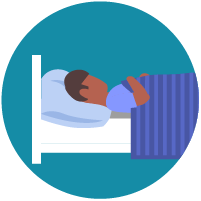 |
Stay home
Stay in touch with your doctor
Avoid public transportation
|
 |
Call ahead before visiting your doctor
|
 |
| Stay away from others |
 |
If you are sick wear a facemask
|
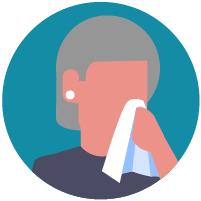 |
Cover your coughs and sneezes
|
 |
Clean your hands often
|
Conclusion:

Whilst the situation in Wuhan, Itlay, US are
serious, and far from under control, it is important to remember that whatever
the outcome, future outbreaks of emergent diseases are seemingly inevitable.
Whatever the underlying cause, the challenges remain the same. It is essential
that we maintain the level of energy, investment, and collaborative spirit
prompted by the crisis after it has passed, and ensure that we are equipped
with the tools necessary to respond rapidly once the next outbreak begins.
Prevent
Getting Sick:
You
can take steps to protect yourself and others during a COVID-19 outbreak.
· The virus is thought to spread mainly from person-to-person. Recent studies
indicate that people who are infected but do not have symptoms likely also play
a role in the spread of COVID-19.
· There is currently no vaccine to prevent coronavirus disease in 2019 (COVID-19).
· The best way to prevent illness is to avoid being exposed to this virus. i.e.Social Distancing.




Good Information!
ReplyDeleteThank you Ravi 😊
Deletequite informative blog. thanks author
ReplyDeleteThank you so much Chinmay👍
DeleteVery nice it is very needed for us
ReplyDeleteThank you Ashutosh😊
DeleteVery informative specially during these times.
ReplyDeleteThank you so much Marry ma'am😊😊
ReplyDeleteVery useful info
ReplyDeleteGood work
Thank You So much👍
DeleteThis was really very informative . Precise , to-the-point matter was simply put up. I really appreciate both the matter and the manner in which it's written .
ReplyDeleteThank You Naina😊
DeleteVERY USEFUL INFORMATION DURING TIME.....
ReplyDeleteThank You Puspa👍👍
DeleteYou are informing people with a good information you are really a hero for public I will appreciate you with this
ReplyDeleteThank You so much Shreyash😊
Delete😇😇WE WILL DEFEAT CORANA SIR YOU ARE DOING VERY GOOD JOB TO INFORM PEOPLE ABOUT COVID-19 superb sirrrrrerrrrr🇮🇳🇮🇳JAI🇮🇳🇮🇳🇮🇳HIND🇮🇳🇮🇳🇮🇳🇮🇳
ReplyDeleteThank You so much Don't know your name if possible then please tell me your name..
DeleteVery informative and useful. I really appreciate it.
ReplyDeleteThank You So much Bharvi😊👍
DeleteIts very informative,precise and easy to understand. A good initiative. Keep it up����
ReplyDeleteThanks Pranali😊
DeleteAn informative blog. keep writing.
ReplyDeleteThank You so much please let me know your name?😊
DeleteThe information is served in excellent way. The one who cannot understand english can also get the information with the help of the images.. As per your first blog... Excellent job.. keep it up...Keep writing.
ReplyDeleteThank you so much Arvind Sir😊😍. Yes i'll always try my best.
DeleteA lot of essential and important information wrapped in a single blog!! A precise and informative blog that clears a lot of doubts about COVID-19. #FightCovid19united
ReplyDeleteThank You so much😊 Definitely we'll fight against this pandemic by being united.
Delete